Training for a race—whether it’s your first 5K or your next marathon—takes more than simply logging miles. A smart training plan includes strength work, recovery, mobility, cross-training, and proper guidance to help you stay healthy and perform your best.
At Elite Sports Clubs, you have everything you need under one roof to build endurance, reduce your risk of injury, and recover more effectively. Here’s how to make the most of your membership while preparing for race day.
Build Your Running Base
Running should remain the foundation of your training, but not every workout has to happen outdoors.
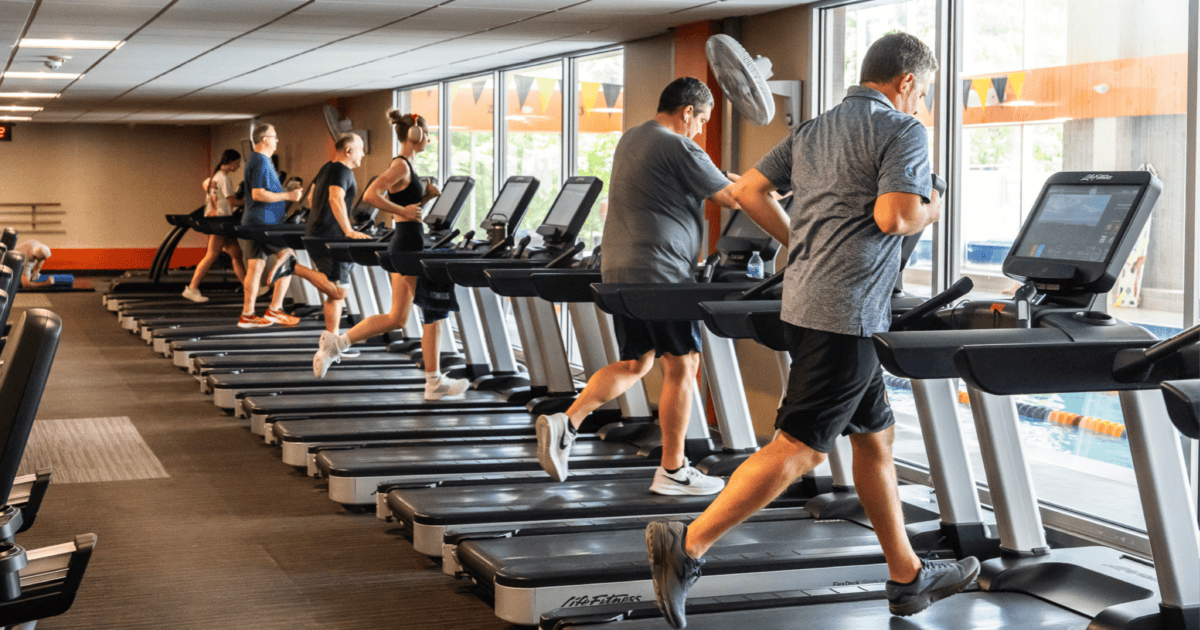
Treadmills are an excellent option when weather conditions aren’t ideal or when you want more control over your pace. They also make it easy to incorporate hill workouts by adjusting the incline or complete interval sessions without worrying about traffic or stoplights.
If you’re training for a longer race, try mixing your outdoor long runs with treadmill speed workouts throughout the week.
Strength Training Is Essential
Many runners focus so much on mileage that they overlook strength training. Strong muscles improve running efficiency, help maintain good form late in a race, and reduce the likelihood of common overuse injuries.
Aim to strength train two to three times each week, focusing on:
- Glutes and hips
- Hamstrings
- Quadriceps
- Core
- Calves
- Upper back and shoulders for posture
Elite’s fitness centers offer free weights, functional training areas, resistance machines, and knowledgeable personal trainers who can help design a runner-specific program tailored to your goals.
Don’t Skip Cross-Training
Not every cardio workout has to involve running.
Cross-training improves cardiovascular fitness while giving your joints and muscles a break from repetitive impact. This can be especially helpful during high-mileage weeks or while recovering from harder workouts.
Great options at Elite include:
- Lap swimming
- Indoor cycling classes
- Water aerobics
- Elliptical workouts
Swimming is particularly valuable because it provides a full-body workout while allowing your legs to recover from pounding the pavement. Elite’s indoor pools make cross-training possible year-round.
Improve Mobility and Flexibility
Tight muscles can affect your stride and increase your injury risk.
Adding mobility work several times each week can improve your range of motion and help you recover faster between runs. After your workouts, spend time stretching your:
- Hip flexors
- Hamstrings
- Calves
- Glutes
- Lower back
Yoga classes are another excellent complement to a running program, helping improve flexibility, balance, breathing, and body awareness. Elite offers a wide variety of group fitness classes to fit nearly every schedule.
Prioritize Recovery
Recovery isn’t taking time off—it’s part of your training.
As your weekly mileage increases, so does the importance of giving your body time to repair and rebuild. Elite offers several recovery amenities that can help reduce muscle soreness and prepare you for your next workout.
Take advantage of:
- HydroMassage
- Saunas
- Steam rooms
- Hot tubs
- Massage therapy
- Red Light Therapy
Even a short recovery session after a long run can leave you feeling refreshed for your next training day.
Consider Working with a Personal Trainer
Whether you’re training for your first 5K or chasing a marathon personal record, a certified personal trainer can help identify weaknesses, improve running mechanics through strength work, and keep your training balanced.
Having expert guidance can also help you avoid doing too much too soon—one of the most common causes of running injuries. Elite’s personal training programs are designed to meet athletes at every fitness level, and several of our personal trainers have experience training for marathons themselves.
Fuel Your Body and Stay Hydrated
Training places greater demands on your body, so nutrition becomes increasingly important.
Support your workouts by:
- Eating carbohydrates before longer runs for energy.
- Consuming protein after workouts to support muscle recovery.
- Staying hydrated throughout the day, not just during exercise.
- Practicing your race-day nutrition during training so there are no surprises on event day.
Small, consistent habits often make a bigger difference than dramatic changes.
Listen to Your Body
It’s normal to feel tired during training, but pain is different than fatigue.
If something doesn’t feel right, don’t ignore it. Take an extra recovery day, reduce your mileage, or substitute a swim or cycling workout instead of forcing another run. Consistency over several months is far more valuable than one extra workout that leads to injury.
Ready to Train?
Whether you’re preparing for a community 5K, tackling your first half marathon, or aiming for a marathon finish line, success comes from balancing running with strength training, recovery, mobility, and smart programming.
At Elite Sports Clubs, you’ll find everything you need—from state-of-the-art fitness centers and indoor pools to group fitness classes, personal training, and recovery amenities—to help you train smarter and enjoy the journey as much as race day.